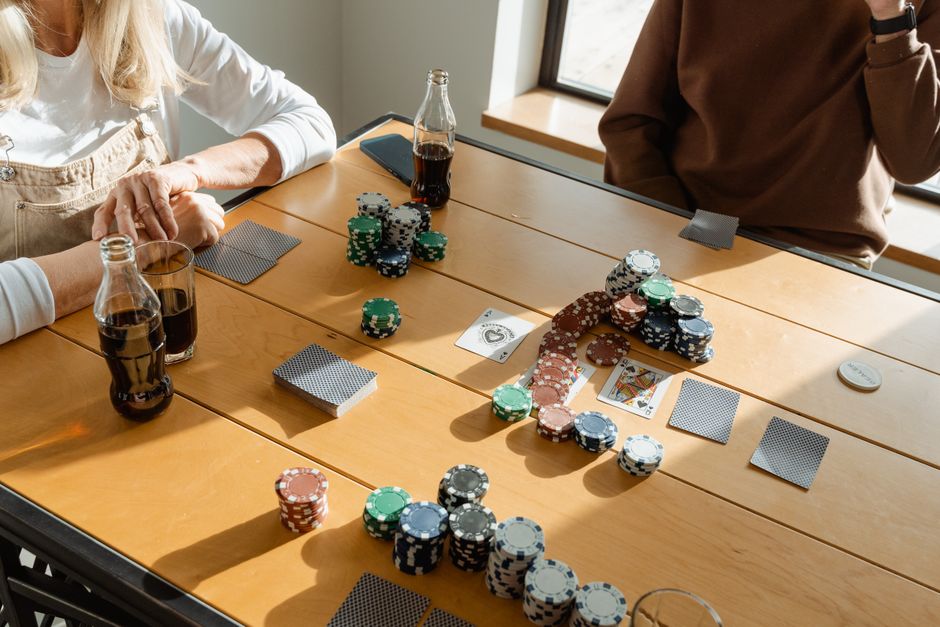
Most people who lose money in casinos don't lose it because they're unlucky. They lose it because they never sat down and asked a simple question: what does this game actually cost me per hour, and is that cost worth the entertainment I get back? That question separates the casual gambler who enjoys a night out from the sharp player who treats every session like a budgeted expense. This article isn't about guaranteed wins, because those don't exist. It's about understanding the machinery behind slots, poker, and sports betting so you can make deliberate choices instead of emotional ones.
Why the House Edge Is the Only Number That Matters Long-Term
Every game in a casino, whether it's a physical slot machine in Macau or a live dealer table streamed from Malta, has a built-in mathematical advantage for the operator. That advantage is called the house edge, and over enough hands, spins, or bets, it determines who walks away with money.
The differences between games are enormous. Blackjack played with basic strategy can carry a house edge as low as 0.5 percent. European roulette sits at 2.7 percent, while the American version with its double zero jumps to 5.26 percent. Slot machines are where things get wild: a loose online slot might return 97 percent to players, and a tight one might return 88 percent. Over thousands of spins, that nine-point gap means the difference between losing slowly and hemorrhaging cash.
Here's the practical takeaway: if you're going to play for hours, pick games with a lower edge and stay disciplined. If you're chasing a jackpot on a slot with a 92 percent RTP, go in knowing the entertainment is what you're buying, not the fantasy of funding your retirement.
Slots: Volatility Is Your Real Decision Maker
New players obsess over RTP percentages and ignore volatility, which is arguably the more important variable for how a session actually feels. Volatility describes how a slot pays out: low-volatility games like Starburst or Blood Suckers hit small wins frequently, keeping your balance steady. High-volatility titles like Bonanza Megaways or Dead or Alive 2 can go hundreds of spins without a meaningful payout, then hit a massive multiplier.
Neither style is better. They suit different bankrolls and temperaments. Plenty of people rely on dana slot for this kind of information.
- Low volatility slots: ideal if you want a long session on a modest bankroll. Expect many small returns and a slow, gentle decline.
- Medium volatility slots: the balanced middle ground, usually with free-spin features that trigger at a reasonable rate.
- High volatility slots: buy-in for the dream of a 5,000x win, but only with money you're genuinely prepared to lose entirely.
A useful habit is to check the slot's max win cap, because all the volatility in the world won't help if the ceiling is only 1,000x. And always confirm the site is licensed, since an unlicensed operator can simply change the RNG seed or refuse withdrawals.
Poker: The One Game Where Skill Actually Beats the House
Poker is different. In cash games and most tournaments, you aren't playing against the house at all. You're playing against other people, and the casino takes a rake, usually somewhere between 2 and 10 percent of each pot. That means the only edge that exists is the edge you have over your opponents.
This is why the modern poker world is brutal. Solvers, HUDs, and training sites like GTO Wizard have compressed the skill gap at mid and high stakes to almost nothing. Beating $2/$5 online is a genuine accomplishment. Beating $1/$2 live against recreational players is far more achievable.
- Pick soft tables: look for games with high flop-see percentages and short average stacks. Those are recreational players.
- Play fewer hands preflop: tight-aggressive remains the foundation for a reason.
- Study one format deeply: becoming excellent at heads-up sit-and-gos is better than being mediocre at everything.
- Track results honestly: use a tracker or a spreadsheet. Memory lies, especially about that one huge bluff you pulled off.
One blunt truth: most people who think they're break-even poker players are losing players who never counted properly. The rake always has to be beaten before you make a cent.
Sports Betting: Line Shopping and Vig Are Everything
If you bet sports casually, you're likely throwing away money without realizing it. The reason is the vig, also called the juice or margin. A standard -110 line on both sides of a game means you have to win 52.4 percent of bets just to break even. Sharp bettors survive by shopping multiple bookmakers for the best line and by reducing that margin to its minimum.
A simple rule: never place a bet until you've checked at least two, ideally four, sportsbooks. A half-point difference in a spread or a 5-cent gap in a moneyline adds up to four or five percent more profit over a season. That's often the entire edge.
Another principle: closing line value. If the line moves toward your side after you bet, you've likely made a good bet regardless of the result. If you consistently beat the closing number, you will profit long-term. If you consistently get a worse price than where the line closes, you won't.
The Bankroll Plan That Actually Keeps You in the Game
Every strategy dies without bankroll management. The most common mistake is treating a session bankroll as a game bankroll. If you deposit $200 for the weekend, that's your entertainment budget, not your poker roll.
A sensible structure looks like this:
- Keep a separate, dedicated gambling fund that you can afford to lose completely without affecting rent or savings.
- For poker cash games, hold at least 20 buy-ins for your stake level, ideally 30 to 40.
- For slots, set a stop-loss before you spin: if you lose 40 percent of your session budget, walk away.
- Set a stop-win too, because tilt is just as dangerous when you're up.
Discipline is the only free edge in gambling. It costs nothing, it can't be taken away by variance, and almost nobody actually does it consistently.
The Bottom Line
iGaming is entertainment first, and anyone who tells you otherwise is selling a course. Nothing here guarantees profit, because the math doesn't allow for it. What this approach does guarantee is that you'll play longer, lose slower, and understand exactly what you're paying for when you sit at a table or spin a reel. The players who enjoy this space the most are the ones who accept the edges stacked against them and still find a way to have a good time inside the boundaries. Learn one number, respect it, and you're already ahead of most of the room.